

As a corporate veteran with over two decades of executive and advisory experience, Dennis has led many high stakes growth and culture transformations in complex, fast scaling organizations across multiple countries. Through 821BRIDGE, he helps business owners and leadership teams turn strategy into results – scaling faster, executing with less friction, and growing without burnout or organizational chaos. His work focuses on shaping organizational habits that keep execution strong.
Scaling your business – your people perspective

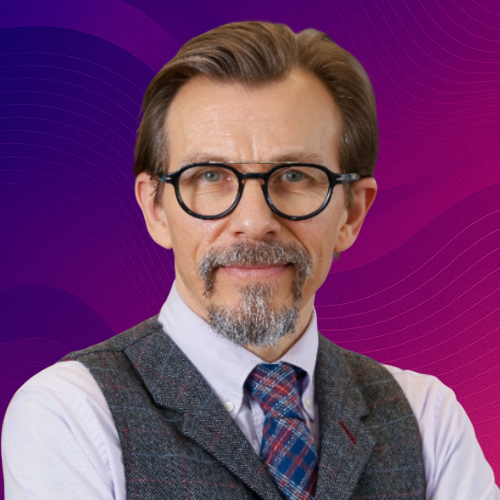
Dennis Brodsky
821BRIDGE
Recap:
At Balkan eCommerce Summit 2026, Dennis Brodsky delivered a different perspective on business growth – focusing not on technology, marketing, or sales, but on the human systems behind scalable organizations. The lecture explored why many companies fail during growth phases despite having strong products, sufficient funding, and market demand.
The session centered around one core idea:
scaling problems are usually people problems, not technology problems.
Every Company Has a Behavioral “Character”
Dennis opened the lecture by comparing companies to countries.
Just like countries are associated with:
- discipline
- efficiency
- order
- creativity
organizations also develop:
dominant behavioral patterns.
According to him:
even small teams quickly create internal cultures based on:
- leadership behavior
- decision-making style
- trust levels
- communication habits
These invisible dynamics shape:
- how people collaborate
- how decisions are made
- how companies scale or fail.
The “Golden Age” of Small Teams
The lecture explained that:
companies often function extremely well during their early stages.
At:
- 5 people
- 20 people
- even 50 people
organizations rely on:
proximity.
Employees:
- directly observe founders
- understand decisions naturally
- communicate informally
- align without heavy systems
This creates:
speed, trust, and clarity.
However:
once organizations grow,
this model begins to break.
Growth Creates Complexity
One of the major themes of the lecture was:
complexity compounds faster than companies expect.
As businesses scale:
- customer volume increases
- product lines expand
- markets diversify
- operational systems become more complicated
According to Dennis:
many founders continue making decisions the same way they did when the company was small.
This creates:
- bottlenecks
- confusion
- inconsistent management
- operational friction
At the same time:
employees no longer see leadership daily,
which means:
proximity disappears and assumptions replace clarity.
Most Companies Fail Because of People Problems
Dennis cited industry research showing that:
at least 65% of companies fail during scaling because of organizational and people issues.
The reasons are rarely:
- lack of technology
- lack of product-market fit
- lack of funding
Instead, failures are usually caused by:
- inconsistent leadership
- unclear systems
- lack of trust
- conflicting management styles
- broken internal communication
He emphasized that:
organizational systems become fragile long before financial metrics reveal problems.
Early Signals That a Company Is Not Ready to Scale
The lecture identified several warning signs that indicate structural organizational issues:
Hero dependency
If only a few people can “save” the business or solve critical problems, the organization is fragile.
Teams solving similar problems differently
Lack of alignment creates operational inconsistency.
Internal friction between departments
When teams avoid working together, trust is already damaged.
Broken hiring and promotion systems
Poor recruitment decisions and ineffective incentive structures signal deeper organizational issues.
Dennis stressed that:
employees are usually responding rationally to the systems leadership created.
People are not “the problem”:
the system is.
Copy-Pasting Corporate Processes Often Fails
Another major point was:
many organizations introduce:
- HR frameworks
- reporting structures
- policies
- control systems
simply because they worked somewhere else.
According to Dennis:
companies often copy systems without adapting them to their own culture.
At the same time:
experienced managers bring behavioral “baggage” from previous companies:
- micromanagement
- excessive control
- rigid hierarchy
- bureaucracy
This creates:
conflicting leadership styles inside the same company.
Some teams operate with:
- trust
- autonomy
- empowerment
while others operate with:
- control
- fear
- over-approval processes
The result:
organizational inconsistency and internal conflict.
People Follow Experience, Not Slogans
One of the strongest insights from the lecture was:
employees do not behave according to slogans written on office walls.
They respond to:
- daily experiences
- leadership behavior
- trust levels
- real incentives
- operational systems
Dennis argued that:
companies often declare:
- “customers come first”
- “we value people”
- “we empower teams”
while their actual systems reward:
- bureaucracy
- fear
- risk avoidance
- internal politics
This disconnect destroys trust internally.
Trust Is the Foundation of Scalable Organizations
The lecture repeatedly returned to:
trust.
According to Dennis:
behavior inside organizations is shaped primarily by:
the level of trust employees experience every day.
High-trust environments create:
- speed
- accountability
- initiative
- ownership
Low-trust environments create:
- excessive approvals
- admin overload
- risk avoidance
- slow decision-making
He warned that:
bureaucracy is often a symptom of organizational fear.
Build Principles, Not Bureaucracy
Dennis proposed a simpler alternative to overcomplicated systems:
principles instead of policies.
His recommendation:
- explain the “why”
- define clear boundaries
- let teams determine the “how”
Instead of:
- massive policy documents
- excessive rules
- rigid procedures
companies should focus on:
simple operational principles people can actually understand and apply.
He shared an example from his own experience:
even in highly regulated industries,
their internal systems relied on:
- minimal policies
- simple frameworks
- short behavioral guidelines
because:
simplicity scales better than bureaucracy.
Leadership Visibility Matters
Another important insight was:
founders and executives cannot fully delegate trust.
When leadership becomes too distant:
- teams lose context
- decisions slow down
- risk aversion increases
- organizational energy drops
Dennis argued that:
leaders must stay actively involved in:
- culture
- decision-making logic
- trust-building
- behavioral consistency
especially during periods of rapid growth.
Key Takeaways from the Session
The lecture demonstrated that:
most scaling problems are organizational, not technical
company culture becomes visible through behavior, not branding
small companies succeed through proximity and trust
growth creates complexity that breaks informal systems
organizational inconsistency destroys scalability
employees respond rationally to the systems leaders create
copy-pasted corporate processes often fail
trust is one of the strongest growth multipliers
bureaucracy is frequently a symptom of fear and low trust
companies should build principles instead of excessive policies
leadership visibility and clarity remain critical during scaling
The overall conclusion was that:
sustainable business growth depends less on technology and more on building high-trust organizational systems capable of scaling without losing clarity, alignment, and human connection.