

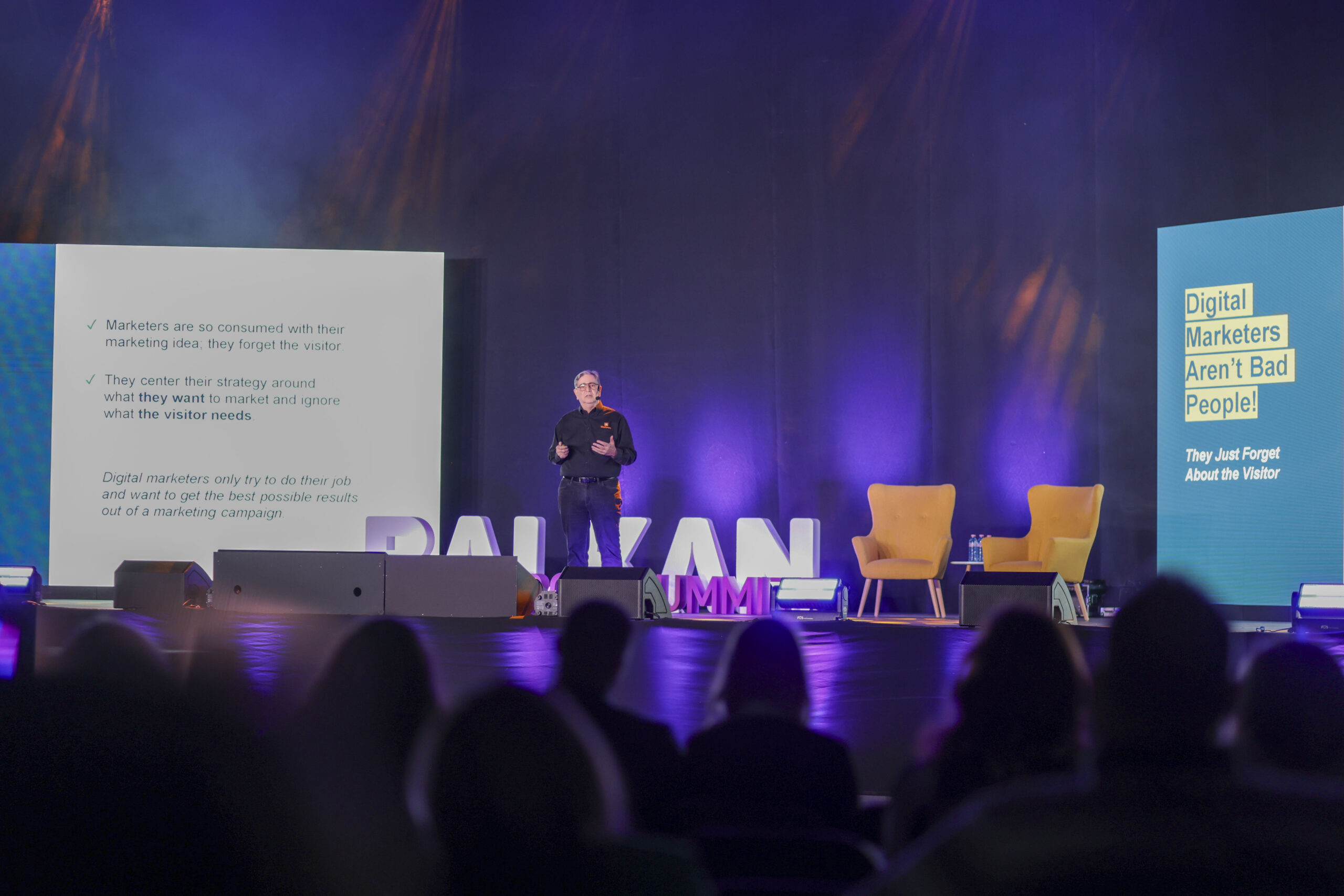
In a world where clicks often matter more than conversations and digital metrics can eclipse human meaning, Martin Greif brought a fresh – and much needed – perspective to the Balkan eCommerce Summit 2025 stage. As President of SiteTuners, Greif is no stranger to digital performance, yet his keynote wasn’t about chasing algorithms. It was about restoring empathy to marketing.
With decades of experience in conversion optimization and customer psychology, Greif knows that marketing is broken when it forgets the human on the other side of the screen. His session, “True Connections: Relationship Marketing in the Digital World,” was a powerful reminder that people don’t want to be sold to – they want to be understood.

Let’s dive into five unforgettable lessons from his talk.
Admit It – We’re All Selfish (Even Marketers)
“We love to talk about ourselves. We’re bad listeners. We forget faces and names. This is human nature.”
Greif didn’t sugarcoat the truth – he opened with a mirror. Marketers, he argued, are often so absorbed in telling their brand’s story that they forget about the customer.
This isn’t about blame. It’s about awareness. And it’s not just marketers – it’s everyone. Human nature leans toward self-interest. The problem? When websites and campaigns reflect that same bias, they fail.
Example: Think of the average “About Us” page – it’s a shrine to the company. But the real power comes when we flip the lens and make it about why the visitor should care.
Before launching any piece of content, ask: Is this about us – or about them? Then rewrite accordingly.
Shift the Spotlight to the Visitor
Greif’s core principle is simple: It’s not about you. It’s about them.
When companies stop promoting and start empathizing, conversions soar. In one case study, shifting the content focus from company history to user value led to a:
- 31% increase in conversion rate
- 76% longer time on page
- 20% decrease in exit rate
These aren’t vanity metrics – they’re proof that empathy sells.
Practical takeaway: Map your homepage content to what users want to achieve – not what you want to say. Use language that reflects their questions, pain points, and goals.
Ask the Three Questions That Truly Matter

Visitors on your site don’t announce their confusion – but their bounce rates do. Greif introduced three deceptively simple questions that every user needs answered:
- Am I in the right place?
- How do I feel about this site?
- What am I supposed to do here?
If any of these are unclear, users leave.
Example: A visually cluttered homepage with rotating banners and no clear calls-to-action fails all three tests. A clean site with clear navigation and trust symbols in the header passes with ease.
Run your website through these questions. Better yet, ask people who aren’t in your company to answer them. Small changes here – like rewriting a headline, updating button text, or adding trust badges – can lead to big improvements.
Design Like You Actually Care
It’s easy to think of design as aesthetics – but Greif reframed it as trust and direction.
“Design isn’t just about looking good. It’s about making people feel confident.”
By implementing small, tactical changes – like removing auto-rotating banners that distract users, placing trust-building elements such as security badges and contact info visibly, and simplifying both main and sub-navigation – companies can begin building real-time rapport. But it doesn’t stop there. Clear headlines, well-spaced layouts, consistent typography, mobile responsiveness, and eliminating dead-end pages all contribute to a smoother, more confident user experience. Design decisions should always be made with empathy: How quickly can a new visitor find what they need? How easy is it to trust the next step? When those questions are answered through thoughtful design, conversions naturally follow.
Before redesigning for beauty, redesign for belief. Your site should answer, Can I trust this? and Can I figure this out fast?
Stop Spending. Start Converting.
Here’s where Greif brought out the numbers. If your conversion rate is 1% and you want to grow revenue by 50%, you have two choices:
- Spend 50% more on ads
- Increase conversion rate to 1.5%
Same traffic. Bigger results.
This is where true connection becomes strategy. Relationship marketing isn’t just feel-good fluff – it’s performance marketing with soul.
Before increasing your ad budget, increase your empathy. Revisit every customer touchpoint – from your email copy to your checkout flow. Conversion lives where connection happens.
Martin Greif’s keynote was more than a playbook – it was a philosophy. In a world flooded with automation, chatbots, and algorithm-chasing, he reminded us that marketing still starts with human emotion.
When we shift from ego to empathy, from pushing to helping, from storytelling to storylistening, we don’t just get better results – we build better businesses.
So next time you plan a campaign, a product page, or even a pop-up banner – pause. And ask yourself:
Is this building a connection? Or just making noise?
Because in the digital world, true connection is the only thing that still feels real.
The Balkan eCommerce Summit 2026 is already on the horizon. Visit balkanecommerce.com to stay tuned for the next edition of the region’s most inspiring eCommerce event.