

Simeon Lukov works at the intersection of applied mathematics, competitive intelligence, and pricing strategy, helping eCommerce teams turn pricing from a static setting into a measurable growth system. In a market where most brands default to “more marketing,” Simeon’s perspective is a reminder that revenue and profit are decided per order, and pricing is where those outcomes are won or lost.
In this interview, Simeon, as founder and CEO of DynamicPricing.ai, shares what attendees can expect from the BES26 session on AI-powered pricing strategies, why pricing is often the most underutilized lever, how AI differs from traditional rule-based pricing, and what Shopify and mid-market teams can do first to start pricing more intelligently.
Simeon, you’ll be speaking at Balkan eCommerce Summit in Sofia on April 28–29. What can attendees expect to learn from your session “E-Commerce Growth Through AI-Powered Pricing Strategies”?
Attendees can expect to learn actionable insights into how merchants are using AI in their day-to-day pricing operations i.e how to convert inventory, demand, conversion and competition data into revenue and profit driver.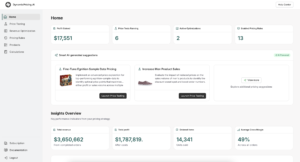
Many eCommerce brands focus heavily on marketing and acquisition. Why do you believe pricing is one of the most underutilized growth levers today?
Pricing isn’t just changing numbers – it’s a growth system combining strategies for perceived product value and willingness to pay. It determines revenue and profit per order. This reinforces the marketing and acquisition efforts and shows where to double down either to make more sales or margins.
With your background in Applied Mathematics and Competitive Intelligence, how does AI-powered pricing differ from traditional rule-based pricing strategies?
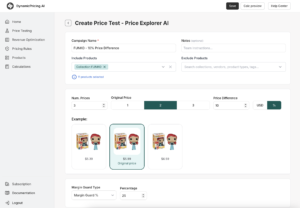
AI-powered pricing outperforms rule-based one. Rules are not automatically adjustable, reactions could be slow and biased i.e sub-optimal. At the same time AI-powered pricing includes rules for guardrails – margin guards, price ranges like min-max prices etc. so that models do not “get wild”. AI-powered pricing is also more flexible, combines multiple data points, involves forecasting, calculating what-if scenarios and makes decisions that could not be obvious.
What are the biggest risks companies face when implementing dynamic pricing – and how can they avoid damaging customer trust or margins?
I think transparency and fairness are the most important things that must be communicated with customers. Pricing by its nature is dynamic. Tariffs are changing, taxes are changing, shipping cost defers, inflation hits. Demand, seasonality, trends, inventory levels push retailers to clear stock via discounts or to raise prices. Once price changes are justified (e.g. sustainability, premium material, demand spike) and customers can see the reason, trust goes on another level. It’s very important to mention the price discrimination. This is not allowed in Europe for example i.e all consumers should be offered identical prices at one time. When personalized pricing is applied, this should be seen clearly in the merchant storefront so that people understand the price could be based on their past / current experience.
For Shopify merchants and mid-market brands, what is the first practical step toward implementing AI-driven pricing optimization?
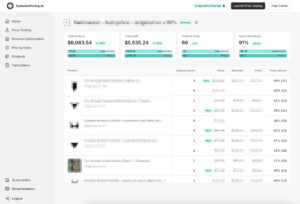
Right now price testing is the hottest topic and especially the experiments and campaigns with new AI frameworks that we offer in contrast to the old A/B testing methods . Also the conversational prompt-to-pricing-rule gets attention because non-technical people can build sophisticated pricing rules on any language without IT support. AI pricing suggestions is another thing Shopify merchants get “out of the box”. This is a combination of the LLM + pricing model that proactively helps to recommend ahead in time what merchants can do to be successful.
Meet Simeon at Balkan eCommerce Summit 2026
Join Simeon’s session in Sofia on April 28–29 and bring your questions about dynamic pricing, experimentation, and how to use AI to protect margins while growing revenue.
🎟️ Grab your ticket at balkanecommerce.com and be part of building stronger connections across the Balkans