


Poland has quietly become one of Europe’s most compelling eCommerce stories – a market combining rapid digital adoption, a sophisticated logistics backbone, and a consumer base that shops with both pragmatism and confidence. If you’re evaluating Central and Eastern Europe for expansion or benchmarking your own market strategy, understanding what drives Poland’s online retail ecosystem is essential. This guide breaks down the key characteristics, consumer dynamics, and emerging trends that define the Polish online marketplace today.
Poland’s eCommerce market reached USD 32.3 billion in 2025, growing at 15–20% year-over-year, with projections of $52 billion by 2028. The market is defined by world-class parcel locker infrastructure, dominant mobile payment adoption via BLIK, a price-sensitive consumer base, and a platform landscape led by Allegro – making it one of Central and Eastern Europe’s most strategically significant digital retail environments.
Table of Contents
- Poland eCommerce Market Overview and Size
- Key Characteristics of the Polish Online Marketplace
- Consumer Behavior and Shopping Patterns in Poland
- Popular Product Categories and Top Online Retailers
- Payment Methods and Delivery Infrastructure
- SME Dominance and Market Structure
- Challenges and Opportunities in the Polish eCommerce Sector
- Current Trends Shaping the Poland eCommerce Market
- FAQ
Poland eCommerce Market Overview and Size
The Poland eCommerce market has established itself as one of Europe’s most dynamic digital retail environments. With a total market size reaching approximately USD 32.3 billion in 2025 – up from $25 billion in 2024 according to PMR Online Retail Market estimates – Poland is growing at a growth rate of 15–20% year-over-year. Projections indicate the market will reach $52 billion by 2028, making it a serious destination for any eCommerce operator with regional ambitions. If you’re evaluating Central and Eastern Europe for expansion or benchmarking your own market strategy, understanding what drives Poland’s online retail ecosystem is essential.
Poland’s scale matters. As the ninth-largest country in Europe with approximately 37.5 million inhabitants (GUS 2024), it offers a consumer base that’s both large and digitally engaged. Internet penetration sits at 88.1%, translating to approximately 35.75 million active internet users. Nearly 80% of those users already purchase products online – a maturity level that rivals Western European markets. Of those shoppers, 75% buy from Polish e-stores, while 36% engage with international platforms, a figure that has grown 6% year-over-year as cross-border confidence increases.
Revenue trends follow predictable seasonal rhythms, with November and December representing peak periods driven by Christmas shopping. The average transaction value stands at $76, and Polish consumers spend an average of $339 monthly on eCommerce purchases – nearly identical to the European average of $342. The B2B segment has also expanded significantly, reaching $90 billion in 2022, though 80% of companies still generate less than 10% of their turnover through digital channels, signaling substantial headroom for growth.
- Market size (2025): Approximately USD 32.3 billion, up from $25 billion in 2024
- Growth rate: 15–20% year-over-year
- Projected size (2028): $52 billion
- Internet penetration: 88.1%, with approximately 35.75 million active internet users
- Online shoppers: Nearly 80% of internet users purchase online
- Average monthly spend: $339 per consumer, nearly identical to the European average of $342
- Average transaction value: $76
- B2B segment: Reached $90 billion in 2022, with significant digital growth headroom remaining
These fundamentals position Poland as a market where infrastructure, consumer readiness, and growth momentum align – creating a foundation for both domestic innovation and international expansion strategies.
Key Characteristics of the Polish Online Marketplace
What makes the Polish online marketplace structurally distinct from other European markets? Several defining market characteristics stand out when you examine the data closely.
- World-class logistics infrastructure: InPost operates over 25,000 Paczkomat® automated parcel lockers (as of end 2024; 28,000+ by end 2025) across the country – the most extensive network of its kind in Europe. Between 81% and 90% of online shoppers use these lockers as their preferred delivery options, drawn by 24/7 accessibility, lower costs compared to courier services, and the elimination of failed delivery attempts. This isn’t just a convenience feature; it’s a structural competitive advantage that shapes how the entire eCommerce landscape operates.
- Advanced payment ecosystem: BLIK, a mobile instant-payment system, reaches approximately 65% of all internet users and is used by over 76% of online shoppers aged 18–34 of consumers, with adoption reaching 86% among those aged 15–24. This level of mobile payment penetration surpasses many Western European markets and reflects a consumer base that has leapfrogged traditional card-based infrastructure.
- Concentrated at the top, fragmented below: Allegro commands approximately 35.9% market share with over 21 million users and 200 million monthly visits, functioning as Poland’s dominant marketplace platforms for both new and used goods. Beneath that, an estimated 72,000 to 150,000 registered eCommerce stores compete for share, with roughly 20 new stores entering the market daily. Price sensitivity is a defining consumer trait, influencing 65% of purchasing decisions – which means competitive pricing strategy isn’t optional; it’s table stakes.
- Accelerating cross-border activity: The 6% year-over-year increase in consumers shopping on international platforms reflects both growing consumer confidence and the competitive pressure that global players like Temu and AliExpress are applying to domestic retailers.
Understanding these structural dynamics is the starting point for any credible Poland market strategy, and they directly inform how you should approach everything from fulfillment partnerships to payment gateway selection.
Consumer Behavior and Shopping Patterns in Poland
Polish consumers are sophisticated digital shoppers, and understanding their online shopping behavior patterns is critical for any market entry or optimization strategy. The most active online shoppers are aged 29–49, with 73% of active Polish internet users completing online purchases in 2023. The 50+ age group accounts for 30% of online shoppers – a significant segment that’s often underserved by brands focused exclusively on younger demographics. Those aged 15–24 represent only 17% of online shoppers, despite their high BLIK adoption rates.
- Price sensitivity: The dominant behavioral driver, influencing 65% of purchasing patterns. Polish consumers actively use price comparison engines and seek promotional opportunities before committing to a purchase. This isn’t a market where brand loyalty easily overrides a better deal – you need to compete on value, not just brand equity.
- Mobile commerce: Smartphones account for 64.67% of consumer spend in 2025, and mobile conversion rates now trail desktop by only five percentage points – a gap that’s closing quickly.
- High-frequency purchasing: Among millennials aged 26–41, 38% make online purchases multiple times weekly, indicating high-frequency engagement that rewards brands with strong retention and loyalty mechanics.
- Cross-border shopping: 36% of Polish internet users purchase from international platforms – up 6% year-over-year – primarily motivated by better pricing and access to products unavailable domestically.
These behavioral patterns reveal a market where mobile-first design, transparent pricing, and frictionless checkout aren’t differentiators – they’re baseline expectations that determine whether you convert traffic or lose it to competitors.
Popular Product Categories and Top Online Retailers
Fashion and apparel lead Poland’s eCommerce sales, commanding 27.98% of total eCommerce value in 2025, with 79% of online shoppers purchasing clothing and accessories and 66% buying footwear. Electronics hold the second-largest position by category share, while food and beverages are growing fastest – advancing at an 11.04% CAGR and outpacing most other retail segments. Health and beauty attract 65% of online consumers, with cosmetics and perfumes representing 53% of digital purchases and pharmaceuticals accounting for 55% of category activity.
| Product Category | Market Position | Key Metric |
|---|---|---|
| Product categories: Fashion and apparel | 1st | 27.98% of total eCommerce value; 79% of shoppers buy clothing |
| Electronics | 2nd | Second-largest category by share; led by Media Expert and RTV Euro AGD |
| Food and beverages | Fastest-growing | 11.04% CAGR; driven by autonomous-store networks and two-hour delivery pilots |
| Health and beauty | Strong performer | 65% of consumers; cosmetics/perfumes 53%, pharmaceuticals 55% |
Allegro is the undisputed market leader, with approximately 35.9% market share, over 21 million registered users, and 200 million monthly visits as of 2024. Its dominance spans multiple categories and it functions as the primary marketplace for both new and used goods. The competitive landscape is shifting, though. Temu reached 19.7 million users in May 2025 – briefly surpassing Allegro’s 18.02 million during that period – while AliExpress secured third position with 9.7 million users and Shein captured 7.5 million. These numbers confirm that Polish consumers are increasingly comfortable with international platforms, creating both a threat for domestic retailers and an opportunity for brands that can compete on price and product range.
| Platform | Monthly Users (2025) | Market Position |
|---|---|---|
| Allegro | 18.02 million (200M monthly visits) | Dominant domestic marketplace; ~35.9% market share |
| Temu | 19.7 million (May 2025 peak) | Briefly surpassed Allegro in monthly users |
| AliExpress | 9.7 million | Third position; international platform |
| Shein | 7.5 million | Fashion-focused international platform |
| Zalando | N/A | Dominant in fashion with strong brand recognition |
| Empik | N/A | Books and multimedia specialist |
The category and platform landscape shows clear winners but also reveals where market share is in flux – particularly as international players leverage aggressive pricing and broader assortments to challenge established domestic leaders.
Payment Methods and Delivery Infrastructure
Poland’s payment and delivery infrastructure is arguably the most strategically important characteristic of the market – and it directly impacts conversion rates, customer satisfaction, and operational costs.
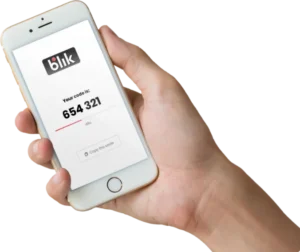
On the payments side, BLIK has become the defining feature of Polish digital commerce. With 68–76% adoption among general users and 86% penetration among those aged 15–24, it has fundamentally displaced traditional credit card payments, which account for only 19–43% of transactions. Fast bank transfers represent 64% of online transactions, and 70% of Poles use internet banking to pay bills – establishing digital financial infrastructure as the backbone of the entire eCommerce ecosystem. If you’re entering this market, BLIK integration isn’t a nice-to-have; it’s a conversion requirement.
| Payment Method | Adoption Rate |
|---|---|
| BLIK (mobile instant payment) | 68–76% overall; 86% among ages 15–24 |
| Fast bank transfers | 64% of online transactions |
| Credit card payments | 19–43% of transactions |
| Internet banking (bill payments) | 70% of Polish consumers |
On the delivery side, InPost’s Paczkomat® network of over 25,000 automated parcel delivery lockers has transformed last-mile logistics in Poland. Between 81% and 90% of online shoppers prefer this delivery method, making it the dominant fulfillment channel in the country. Courier services account for 43% of deliveries, with DPD handling 36%, DHL at 20%, and InPost’s own courier operations rounding out the mix. Click-and-collect services at retail locations provide additional flexibility for specific product categories. The practical implication is straightforward: if your fulfillment strategy doesn’t include parcel locker integration, you’re working against the grain of how Polish consumers want to receive their orders.
| Delivery Method | Usage Share |
|---|---|
| InPost Paczkomat® parcel lockers | 81–90% of online shoppers prefer this method |
| Courier services (total) | 43% of deliveries |
| DPD | 36% of courier deliveries |
| DHL | 20% of courier deliveries |
| Click-and-collect | Available at retail locations for select categories |
Together, these payment methods and delivery options create a market where operational alignment with local infrastructure isn’t just about efficiency – it’s about meeting non-negotiable consumer expectations that determine whether your checkout flow converts or abandons.
SME Dominance and Market Structure
Small and medium enterprises are the operational backbone of Polish eCommerce. SMEs generate over 45% of Poland’s GDP, and their presence in digital retail is equally significant – approximately 72,000 to 150,000 registered eCommerce stores operate within the country, with an average of 20 new online stores registered daily through the National Court Register. This proliferation reflects how accessible digital retail infrastructure has become, even for businesses without large capital reserves.
The market structure follows a barbell pattern: Allegro commands 35.9% market share at the top, while thousands of specialized SMEs compete through product differentiation and niche positioning below. Despite 84% of companies selling online, 80% generate less than 10% of their turnover through digital channels – a gap that represents both a challenge and a significant growth opportunity for businesses willing to invest in digital capability.
Export activity is a critical growth lever for Polish SMEs, especially when considering scaling eCommerce across the Balkans & CEE. In 2023, 90% of SMEs exported products – a 15% year-over-year increase – with total foreign sales exceeding PLN 4.7 billion on major platforms. Germany, France, and Italy are the primary target markets, where lower price sensitivity and stronger appetite for product differentiation allow Polish sellers to command better margins than they can achieve domestically.
- GDP contribution: SMEs generate over 45% of Poland’s GDP
- Registered eCommerce stores: Approximately 72,000 to 150,000, with 20 new stores added daily
- Digital revenue gap: 80% of companies generate less than 10% of turnover through digital channels, despite 84% selling online
- Export growth: 90% of SMEs exported in 2023 – a 15% year-over-year increase – generating over PLN 4.7 billion in foreign sales
- Primary export markets: Germany, France, and Italy, where price sensitivity is lower and product differentiation commands better margins
This SME-driven structure means the market rewards agility and specialization, but it also creates fragmentation that makes brand building and customer acquisition more challenging for smaller players competing against both Allegro’s scale and international platforms’ pricing power.
Challenges and Opportunities in the Polish eCommerce Sector
Every high-growth market comes with structural friction, and Poland is no exception. The most pressing operational challenge is logistical barriers related to cost disparity between urban and rural areas. In rural regions, parcel delivery expenses run 40–60% higher than urban rates due to sparse locker coverage – one unit per 7,500 residents compared to one per 1,200 in Warsaw. Rising courier wage inflation in major metropolitan areas compresses margins by an estimated 10% annually, while high return rates exceeding 30% in fashion categories impose reverse-logistics costs equal to 5.2% of online revenue for major retailers.
Scalability issues present another real barrier. Traditional fulfillment models based on variable price lists and manual processing become operationally unsustainable when order volumes exceed several hundred per week. EU Digital Services Act compliance and mandatory electronic invoicing systems add regulatory overhead that disproportionately burdens smaller operators without dedicated compliance infrastructure. Limited cross-border payment interoperability within Central and Eastern Europe also constrains expansion into adjacent markets, since BLIK and other domestic payment systems lack regional integration despite their dominant domestic adoption.
Key Challenges
- Rural logistics cost disparity: Parcel delivery in rural areas runs 40–60% higher than urban rates, with one locker per 7,500 residents versus one per 1,200 in Warsaw
- Courier wage inflation: Rising wages in major metropolitan areas compress margins by an estimated 10% annually
- High fashion return rates: Exceeding 30%, imposing reverse-logistics costs equal to 5.2% of online revenue for major retailers
- Scalability barriers: Traditional fulfillment models become unsustainable beyond several hundred orders per week
- Regulatory overhead: EU Digital Services Act compliance and mandatory electronic invoicing disproportionately burden smaller operators
- Cross-border payment limitations: BLIK and domestic payment systems lack regional integration, constraining expansion into adjacent CEE markets
Key Opportunities
- Food and beverages growth: Advancing at an 11.04% CAGR, driven by autonomous-store networks and two-hour delivery pilots
- B2B procurement expansion: Growing at a 9.61% CAGR, with digitally native purchase portals shortening procurement cycles by up to 40%
- Export market potential: Particularly in markets where Polish products can command premium positioning based on quality differentiation
- Digital channel adoption: With 80% of companies generating less than 10% of turnover online, significant headroom exists for businesses willing to invest in digital capability
The strategic takeaway is clear: operational excellence in logistics and compliance creates defensible competitive advantage, while category selection and geographic expansion determine your growth ceiling. Brands that solve the cost and complexity challenges unlock access to one of Europe’s fastest-growing digital retail markets.
Current Trends Shaping the Poland eCommerce Market

- Re-commerce: Vinted secured EUR 340 million in a secondary share sale led by TPG in October 2024 (not a primary fundraise), bringing its valuation to €5 billion, to scale AI-based authentication capabilities, reflecting growing consumer appetite for secondhand goods and circular economy models.
- Sustainability: 61% of internet users now pay attention to ecological product packaging, though only 28% are willing to pay extra for it – a nuance that matters for how you position sustainability in your marketing.
- Social commerce: Meta reaches 18.7 million Polish users (48.6% of the population), Instagram attracts 11.3 million with women accounting for 57% of its audience, and TikTok commands 11.4 million users – making it the dominant platform among younger demographics and a key channel for brand storytelling and product discovery.
- AI-driven personalization: Platforms leveraging predictive analytics are achieving up to a 20% uplift in customer engagement, and augmented reality fitting tools are beginning to address the fashion sector’s persistent return rate problem through digital innovation.
The brands winning in Poland today are those that treat these market trends not as experimental initiatives but as core components of their go-to-market strategy – integrating social selling, sustainability messaging, and AI-powered personalization into their operational playbook from day one.
FAQ: Poland eCommerce Market
- How large is the Poland eCommerce market in 2025? The market reached approximately USD 32.3 billion in 2025, up from $25 billion in 2024, with projections pointing to $52 billion by 2028 based on PMR Online Retail Market estimates.
- What is the dominant payment method in Polish eCommerce? BLIK is the clear leader, preferred by 68–76% of consumers overall and 86% of those aged 15–24. Integrating BLIK is essential for any brand targeting Polish shoppers.
- Which delivery method do Polish consumers prefer? Between 81% and 90% of online shoppers prefer InPost’s Paczkomat® automated parcel lockers, with over 25,000 machines nationwide as of end 2024 (28,000+ by end 2025). Offering this option is critical for conversion and customer satisfaction.
- Who are the top eCommerce platforms in Poland? Allegro leads with approximately 35.9% market share and 200 million monthly visits. Temu, AliExpress, and Shein have also established significant user bases, with Temu briefly surpassing Allegro in monthly users in May 2025.
- What product categories drive the most sales? Fashion and apparel lead at 27.98% of total eCommerce value. Electronics are second, while food and beverages are the fastest-growing category at an 11.04% CAGR. Health, beauty, and pharmaceuticals are also strong performers.
- How price-sensitive are Polish online shoppers? Price sensitivity influences 65% of purchasing decisions. Polish consumers actively use comparison tools and seek promotions, so competitive pricing and clear value communication are non-negotiable.
- What role do SMEs play in Polish eCommerce? SMEs are the backbone of the market, generating over 45% of GDP and operating the majority of Poland’s 72,000–150,000 registered eCommerce stores. However, 80% of companies still generate less than 10% of turnover online, indicating significant untapped potential.
- Is cross-border eCommerce growing in Poland? Yes. 36% of Polish internet users shop on international platforms, up 6% year-over-year. Polish SMEs are also expanding exports, with 90% exporting in 2023 – a 15% increase – generating over PLN 4.7 billion in foreign sales, primarily targeting Germany, France, and Italy.
- What are the biggest operational challenges for eCommerce businesses in Poland? Key challenges include rural logistics cost disparities (40–60% higher than urban rates), high fashion return rates exceeding 30%, rising courier wage inflation compressing margins by ~10% annually, and regulatory compliance burdens from EU Digital Services Act requirements.
- What emerging trends should eCommerce operators watch in Poland? Re-commerce (led by Vinted’s EUR 340 million secondary share sale (October 2024, led by TPG)), social commerce via TikTok and Instagram, AI-driven hyper-personalization delivering up to 20% engagement uplift, and sustainability-focused logistics are the four trends with the clearest near-term commercial impact.
References
- PMR Market Experts – Online Retail Market in Poland 2025. Market estimated at USD 32.3 billion in 2025, up from $25 billion in 2024; projection to $52 billion by 2028.
- Gemius / IAB Poland – eCommerce in Poland 2024. BLIK preferred by 68% of Polish internet users for online payments; 86% penetration among ages 15–24.
- Allegro Group – Investor Relations 2024. Active buyers in Poland: ~15 million; group-wide CEE: ~21 million. Market share: approx. 35.9% of Polish eCommerce. Monthly visits: ~200 million.
- InPost – Press Releases 2024–2025. Paczkomat® network: 25,000+ machines in Poland at end of 2024; 28,000+ by end of 2025.
- EU Startups – Vinted €340M Secondary Share Sale (October 2024). Led by TPG; valuation reaches €5 billion. Note: This was a secondary transaction, not a primary Series F. Vinted’s last primary Series F was May 2021 (€250M).
- eCommerce News Europe – Poland eCommerce Overview 2024. Consumer demographics, payment preferences, delivery behaviors, and market structure.